Light roast coffee has surged in popularity among coffee enthusiasts—and for good reason. But what islight roast coffee, and why are so many people making the switch?
Known for its bright flavors, complex aromas, and nuanced profiles, light roast coffee offers a completely different experience from darker roasts. Instead of bold, smoky notes, you’ll discover vibrant, origin-driven flavors that highlight the true character of the bean.
Whether you're new to specialty coffee or refining your palate, this guide breaks down everything you need to know, from flavor and caffeine content to brewing tips and how to choose the best beans.
What Is Light Roast Coffee?
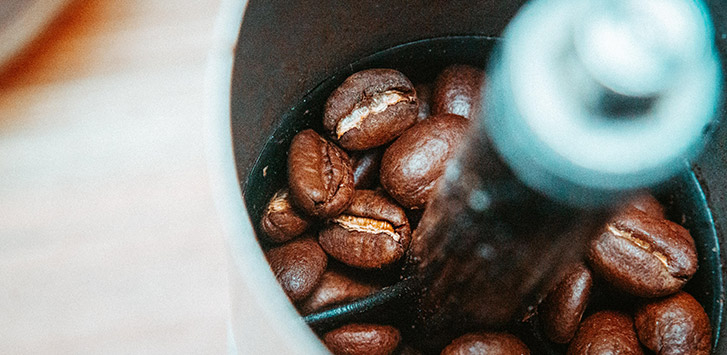
Light roast coffee refers to beans roasted for a shorter time, typically reaching an internal temperature between 356°F and 401°F. During this process, the beans experience what’s called the “first crack,” but are removed from heat before developing the oils and deeper colors associated with medium and dark roasts.
The result? Beans that are light brown in color, dry on the surface, and packed with the original flavors of their origin.
Unlike darker roasts, which emphasize roast-driven flavors (such as chocolate or smoke), light roasts preserve the unique characteristics of the coffee bean itself, known as its “terroir.”
You can learn more about the differences between medium roast and dark roast coffee in the Ultimate Guide to Medium Roast Coffee and the Ultimate Guide to Dark Roast Coffee.
Light Roast Coffee Flavor: What to Expect
One of the biggest reasons coffee lovers gravitate toward light roasts is the unique flavor.
Bright and Complex
Light roast coffee is known for its vibrant acidity and layered flavor notes. Depending on the origin, you might taste:
- Citrus flavors of lemon, orange, and grapefruit
- Floral notes of jasmine and lavender
- Fruity tones like berries, apple, and stone fruit
- Tea-like or honey sweetness
Origin-Forward Profiles
Because the roasting process is shorter, the bean's natural flavors remain intact. That means a light roast from Ethiopia will taste dramatically different from one grown in Colombia or Guatemala.
Higher Acidity (But Not Sour)
Acidity in coffee doesn’t mean sour—it refers to a crisp, lively quality that enhances the overall flavor. Think of it like the brightness in a fresh apple or a glass of white wine.
Is Light Roast Coffee Stronger?
This is one of the most common questions when it comes to light roast coffee, and the answer depends on what you mean by “stronger.&rdquo,
- Caffeine Content: If you're talking about caffeine, light roast coffee is slightly higher in caffeine than dark roast when measured by scoop. That’s because the beans are denser and retain more of their original compounds during the shorter roasting process. However, if you measure coffee by weight rather than volume, the difference in caffeine content is minimal.
- Flavor Strength: If you refer to “strong” in the sense of bold or intense flavor, then light roast coffee actually tastes less strong than dark roast coffees. Its flavor is more delicate, nuanced, and complex rather than heavy or bitter.
Light Roast vs. Medium vs. Dark Roast
Understanding how light roast compares to other roast levels can help you decide what’s right for you.
Light Roast
Light roast coffee is known for its bright, fruity, and often floral flavor profile, allowing the natural characteristics of the bean’s origin to shine through. It typically has a light to medium body, creating a more delicate mouthfeel compared to darker roasts.
The acidity is higher, giving the coffee a crisp, lively quality rather than heaviness. Visually, light roast beans have a dry surface with no visible oils, as they have not been roasted long enough for oils to emerge.
Medium Roast
Medium roast coffee offers a balanced flavor that bridges the gap between the brightness of light roasts and the richness of dark roasts. It often carries a slightly sweet, smooth profile with a more developed body, typically landing at a medium mouthfeel.
The acidity is more moderate, making it approachable and well-rounded for a wide range of coffee drinkers. The beans may show slight oil development on the surface, indicating a longer roast time than light roasts.
Dark Roast
Dark roast coffee delivers bold, robust flavors that often include smoky, chocolatey, or even slightly bitter notes. It has a full body, resulting in a heavier, more intense mouthfeel. The acidity is low, which contributes to its smooth, sometimes deep flavor profile.
Dark roast beans are characterized by their oily surface, as the extended roasting process brings oils to the exterior of the bean.
Light roasts are ideal for highlighting the origin of the bean, while medium and darker roasts focus more on the roasting process itself.
Why Choose Light Roast Coffee?
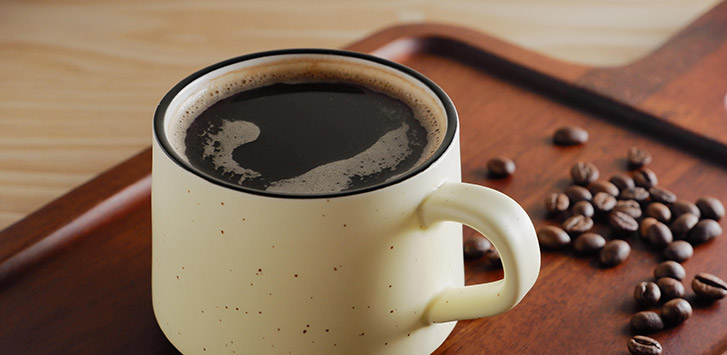
Light roast coffee isn’t just a trend—it’s a favorite among those who want to experience coffee at its most expressive. Here are three reasons to give light roast beans a shot.
- You Taste the Origin: Light roasts allow you to explore the unique characteristics of different growing regions. It’s the closest thing to “wine tasting” in the coffee world.
- More Complexity:From fruity to floral to sweet, light roast coffee delivers a wider range of flavor notes in a single cup.
- Ideal for Specialty Coffee Lovers: If you’re buying high-quality, single-origin beans, a light roast ensures you’re getting the most out of them.
Best Brewing Methods for Light Roast Coffee
Because light roast beans are denser and less soluble than darker roasts, your brewing method matters more to get the most out of your beans.
- Pour-Over (Recommended): Methods like V60 or Chemex are perfect for highlighting the clarity and complexity of light roast coffee. The pour-over method allows for more precise control over extraction and enhances the delicate flavors of the beans.
- AeroPress: A versatile option that can bring out both brightness and body.
- Cold Brew: The cold brew method is great if you prefer a low-acidity cup of coffee. It neutralizes the naturally acidic light roast while preserving all the delicate flavors you love.
- French Press: While traditionally used for darker roasts, a French press can work with light roast beans with adjustments. Simply use a longer brew time and grind your beans slightly finer than usual.
- Espresso: Light-roast espresso can be incredible, but it requires careful dialing in of your grind and extraction due to the bean's density.
Brewing Tips for Better Flavor
To get the most out of the complex flavors of your light roast coffee beans, follow these tips:
- Use Hotter Water: Light roast beans need higher temperatures (around 200–205°F) for proper extraction.
- Grind Finer: Because they’re denser, a slightly finer grind helps extract more flavor.
- Extend Brew Time: Give the coffee more time to fully develop its flavors.
- Use Fresh Beans: Light roast coffee shines brightest when it’s freshly roasted and properly stored.
Common Myths About Light Roast Coffee
Let’s clear up a few misconceptions that are associated with light roast coffee beans.
“Light Roast Is Sour”
This is one of the biggest misconceptions about light roast beans. When brewed correctly, light roast coffee should be bright and balanced, not sour. Again, the brewing method matters here!
“It’s Too Weak”
While lighter in body, light roast coffee often contains just as much—or more—caffeine than darker roasts. So no need to worry that your cup of light roast coffee won’t provide the morning jolt you need.
“It’s Only for Coffee Snobs”
Light roast coffee is for anyone who enjoys flavor and trying new coffee profiles. You don’t need a refined palate to appreciate a delicious cup.
How to Choose the Best Light Roast Coffee
Not all light roasts are created equal. Here’s what to look for:
- Single-Origin Beans: These highlight the unique characteristics of a specific region.
- Fresh Roast Dates: Avoid coffee that’s been sitting on shelves too long.
- Flavor Notes You Enjoy: If you like fruity flavors, try African coffees. Prefer something milder? Look for Central or South American beans.
Storing Light Roast Coffee
To preserve the freshness and flavor of your light roast coffee beans, store them in an airtight container, keep them away from light, heat, and moisture, and avoid the fridge or freezer.
Proper storage ensures your coffee maintains its complexity and aroma.
Is Light Roast Coffee Right for You?
If you’re looking for a coffee experience that’s vibrant, nuanced, and full of character, light roast coffee is absolutely worth exploring.
It’s especially ideal if you enjoy fruity or floral flavors, want to taste the origin of your coffee, or you prefer a lighter, more complex cup.
While it may take a bit more care to brew, the payoff is a cup of coffee that’s rich in detail and unlike anything you’ll find in darker roasts.